
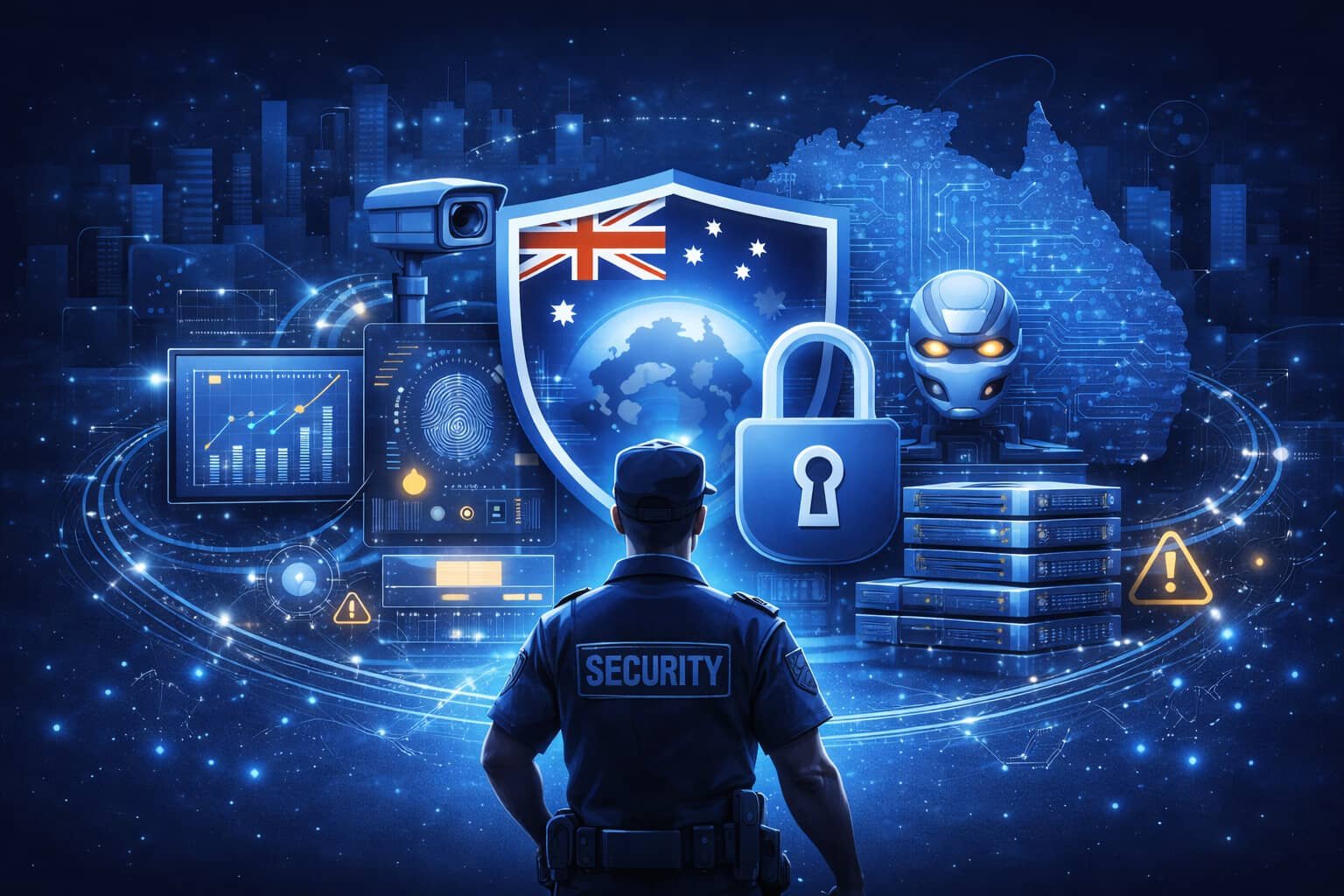
The Future of Security: Trends Shaping the Next Decade
The security landscape is undergoing rapid transformation as organisations face increasingly complex risks, evolving threats, and heightened expectations around safety, compliance, and resilience. Over the next decade, security will move beyond traditional protective measures and become a strategic function closely aligned with operational continuity, technology, and workforce capability.
Understanding the trends shaping the future of security is essential for organisations seeking to remain prepared, compliant, and resilient in an unpredictable environment.
Security as a Strategic Business Function
One of the most significant shifts in the coming decade is the elevation of security from a reactive, operational role to a strategic business function. Security leaders are increasingly involved in decision-making at the organisational level, contributing to risk planning, business continuity, and long-term resilience strategies.
This shift reflects growing recognition that security failures can disrupt operations, damage reputation, and impact stakeholder confidence. As a result, security strategy is becoming closely aligned with organisational objectives rather than operating in isolation.
Increased Focus on Risk-Based Security Models
Future security frameworks will be driven by risk intelligence rather than uniform controls. Organisations are moving toward risk-based security models that prioritise resources based on threat exposure, asset criticality, and operational complexity.
Risk-based approaches allow organisations to adapt quickly to changing conditions, focus efforts where vulnerabilities are greatest, and avoid inefficiencies created by one-size-fits-all security solutions. This trend will continue to shape security planning and investment decisions over the next decade.
Technology-Enabled Security Operations
Technology will play an increasingly central role in security operations. Advancements in surveillance systems, data analytics, automation, and artificial intelligence are improving situational awareness and response capability.
However, the future of security is not defined by technology alone. Successful organisations will focus on integrating technology into well-defined processes, ensuring systems enhance decision-making rather than replace human judgement. Interoperability, usability, and data-driven insights will be key priorities.
The Growing Importance of Workforce Capability
Despite technological advancement, people will remain at the core of effective security. The future of security places greater emphasis on workforce training, competency, and adaptability.
Security personnel will be expected to demonstrate not only physical presence but also situational awareness, communication skills, and understanding of operational risk. Continuous training, scenario-based exercises, and leadership development will become essential components of modern security programs.
Heightened Compliance and Accountability Expectations
Regulatory and compliance expectations are expected to increase across security-related activities. Organisations will face greater scrutiny around how risks are managed, incidents are reported, and controls are monitored.
Transparency, documentation, and audit readiness will be critical. The future of security will require organisations to demonstrate not just compliance on paper, but effective implementation in daily operations.
Intelligence-Led Security Decision-Making
The next decade will see increased reliance on security intelligence to inform decision-making. Incident data, trend analysis, and real-time information will support proactive threat identification and prevention.
Organisations that leverage intelligence effectively will be better positioned to anticipate risks, adjust controls, and respond decisively when incidents occur.
Preparing for the Future
The future of security demands adaptability, integration, and continuous improvement. Organisations that invest in strategic planning, risk intelligence, workforce capability, and technology integration will be better prepared to navigate emerging threats and operational challenges.
Security in the next decade will not be defined by isolated measures, but by cohesive systems that align people, processes, and technology to support safe, resilient operations.