
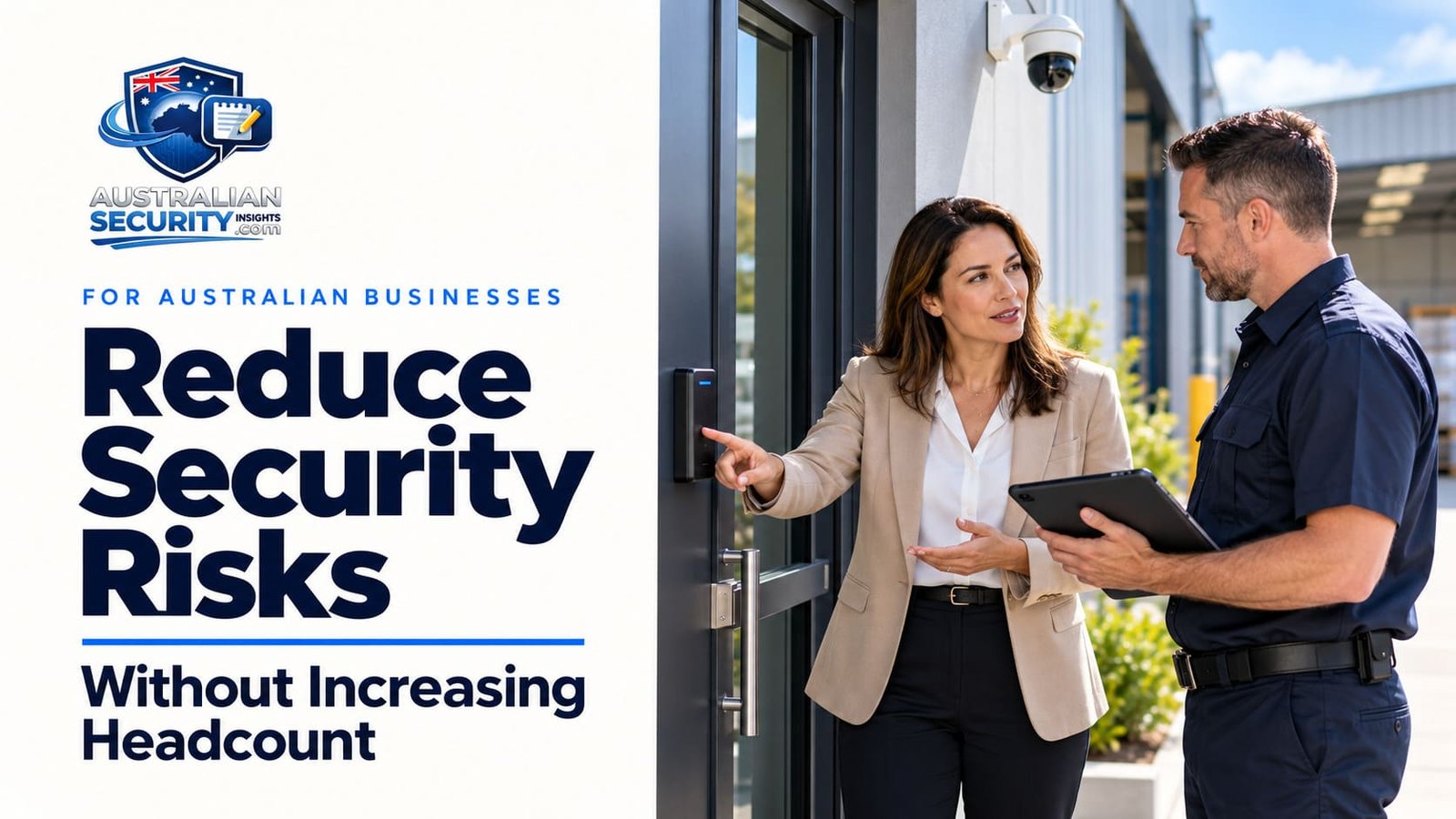
How Australian Businesses Can Reduce Security Risks Without Increasing Headcount
When security concerns grow, hiring more people can seem like the obvious response. However, additional staff may not resolve weaknesses such as uncontrolled access, unclear procedures or equipment that no longer works properly. Australian businesses can often reduce security risks by improving how their existing people, premises and systems operate together. The starting point is understanding where exposure occurs and choosing controls that address it directly. For a retailer, warehouse or office, better protection may begin with a repaired door, a clearer handover or tighter access permissions.
Identify the Risks Before Choosing a Solution
A business security risk assessment should examine what needs protection, how an incident could occur and what the consequences would be. Business Queensland recommends assessing security threats and planning how to reduce their likelihood and impact. Apply this practically by reviewing previous incidents, speaking with employees and observing daily operations. A warehouse might discover that stock discrepancies arise during deliveries rather than overnight. An office might find that former contractors still have access credentials. Understanding the cause helps managers direct resources towards useful improvements instead of adding general supervision.
Strengthen Access Control and Physical Protection
Small weaknesses in premises security can create repeated opportunities for loss. Check whether locks work, gates close correctly and staff-only areas remain secured during busy periods. Victoria Police’s business security guidance recommends maintaining gates and fences, checking locks and improving lighting around entry points. Access control also needs clear ownership: someone should approve permissions, remove access when people leave and manage lost keys or cards. These measures can reduce avoidable entry without requiring an employee to watch every doorway. Any changes must also preserve safe access and emergency exit arrangements.
Make Existing Security Technology More Useful
Before purchasing new security systems, establish whether the equipment already installed performs its intended function. CCTV may provide little useful evidence if shelving blocks the view or nobody knows how to retrieve recordings. An alarm can become ineffective if alerts repeatedly go unanswered. Review coverage, maintenance and response arrangements together. Where appropriate, monitored alarms or remote monitoring may support existing on-site personnel, but someone must still be responsible for responding. Ask what happens after an alert, how an incident is verified and what the service costs over time. Technology needs a workable operational process behind it.
Improve Procedures Without Overloading Employees
Existing staff can support business security through clearer routines, provided those responsibilities fit their roles and available time. A closing checklist can confirm that doors are secured, equipment is accounted for and unresolved issues reach the next shift. Delivery procedures can specify who checks incoming goods and records discrepancies. Brief, practical training helps employees understand what to report and whom to contact. Business Queensland includes staff training and practice drills among its recommended security measures. The aim is to remove uncertainty from ordinary tasks, while keeping specialist response responsibilities with appropriately qualified personnel.
Protect Digital Access Alongside the Premises
Security risks extend beyond theft and unauthorised visitors. Compromised email accounts, outdated software and poorly controlled permissions can disrupt operations even when the building is secure. Australian Government guidance recommends measures including multi-factor authentication, software updates and backups. Businesses should also review who needs access to sensitive systems and remove accounts that are no longer required. For example, restricting supplier payment changes to authorised staff can reduce unnecessary exposure. These controls can strengthen protection using existing systems, although managers should assign responsibility for maintaining them and checking that recovery arrangements work.
Turn Incident Reports Into Corrective Action
Reporting only adds value when someone uses the information. Record relevant facts, timings, affected areas and follow-up actions, then look for recurring patterns. Repeated access problems during shift changes might indicate an unclear handover process. Missing equipment could reveal inconsistent storage or checkout arrangements. Assign each corrective action to an owner and confirm whether it was completed. Avoid judging success solely by fewer reported incidents, because that could also reflect weaker reporting. Combine incident trends with checks on whether controls are working and whether employees understand the procedures.
Match Security Improvements to the Remaining Risk
Reducing security risks without increasing headcount works best when the problem is a preventable weakness in systems or routines. It does not mean every site can operate safely with its current staffing. Review the remaining exposure after improvements and consider whether response capacity is adequate, particularly during busy periods or emergencies. Australian businesses can make meaningful progress through targeted access controls, useful technology, clear responsibilities and regular review. The goal is dependable protection that fits the business’s actual risks and supports the people already doing the work.