
The Role of Leadership in Effective Security Operations
Leadership plays a defining role in the effectiveness of security operations. While systems, procedures, and personnel are essential components of
Read More
Leadership plays a defining role in the effectiveness of security operations. While systems, procedures, and personnel are essential components of
Read More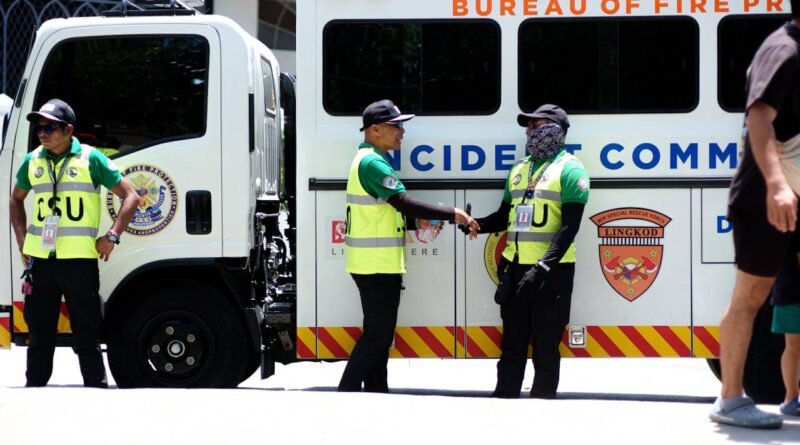
The workforce landscape is undergoing significant change as organisations adapt to evolving risks, technologies, and operational demands. Over the next
Read More
Facilities management is undergoing a significant transformation as organisations increasingly operate in high-risk environments. These environments may include critical infrastructure
Read More
Facilities compliance is a critical responsibility for organisations managing commercial, industrial, and public environments. As facilities grow in size and
Read More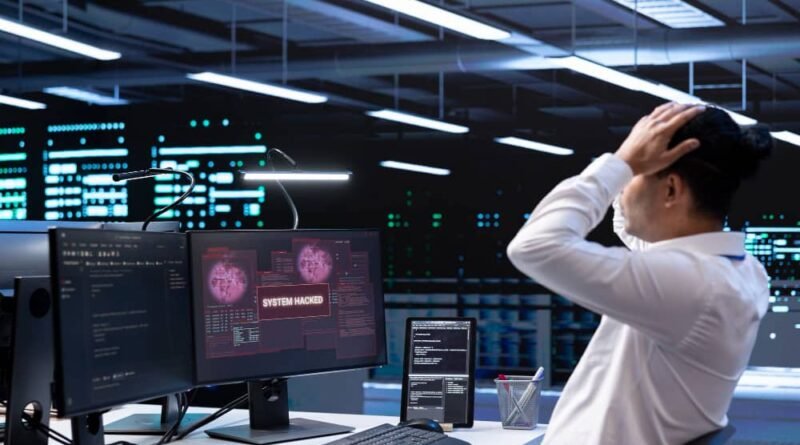
Technology plays a critical role in modern security planning, enhancing visibility, response capability, and operational efficiency. However, while technology can
Read More
Surveillance technology has long been a foundational element of security operations, but its role and capabilities have evolved significantly over
Read More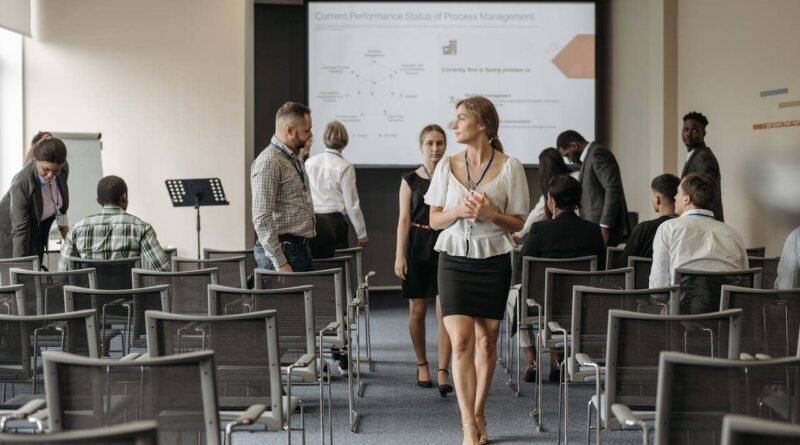
Workforce training plays a critical role in meeting security compliance obligations across modern organisations. While policies, procedures, and technology form
Read More
Security compliance is a fundamental responsibility for Australian organisations operating in today’s complex and risk-intensive environment. Beyond meeting legal obligations,
Read More
Modern organisations operate in increasingly complex environments where security risks are no longer limited to physical threats alone. Rapid technological
Read More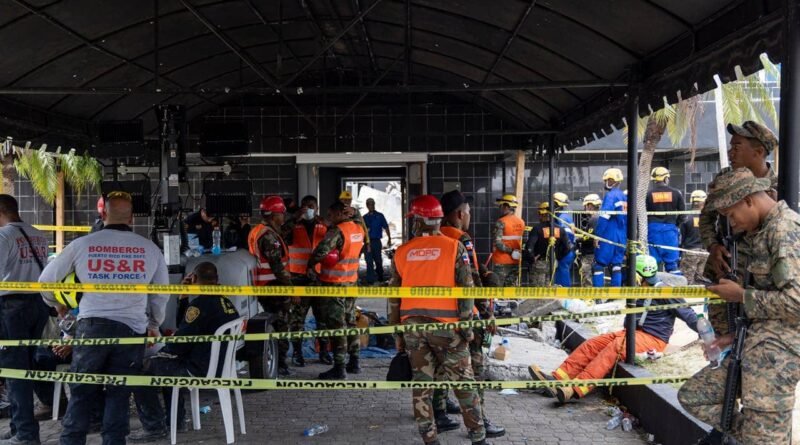
Managing security risks across multi-site operations presents unique challenges for organisations operating across multiple locations, regions, or asset types. As
Read More